Medical Billing Companies for Dermatology Are Essential for Practice Efficiency

65oui8jazfl8fvhx • November 7, 2024

Medical billing for dermatology practices requires specialized knowledge due to the unique nature of dermatological services. From routine skin exams to complex surgeries and cosmetic treatments, each dermatology procedure must be accurately coded to ensure proper reimbursement. This is where medical billing companies dermatology play a crucial role. By partnering with medical billing companies for dermatology, practices can improve their revenue cycles, reduce errors, and focus on providing exceptional patient care.


The Role of Medical Billing Companies Dermatology in Streamlining Revenue Cycle Management


Dermatology is a complex field, and medical billing for dermatology requires precise knowledge of dermatology-specific codes and payer requirements. Medical billing companies dermatology specialize in these areas, ensuring that claims are accurately submitted and processed. This reduces the likelihood of claim denials or rejections, which can significantly delay reimbursements and affect a practice's cash flow. By outsourcing to medical billing companies dermatology, practices ensure that the revenue cycle is handled by experts who know the intricacies of dermatology billing.


The value of medical billing companies for dermatology extends beyond just accuracy. They help dermatologists navigate the ever-changing landscape of insurance policies, coding rules, and compliance requirements. These companies are dedicated to staying updated on the latest industry trends and payer guidelines, which is critical in minimizing denials and ensuring consistent reimbursement.


Why Dermatology Practices Should Consider Medical Billing Companies Dermatology


Outsourcing medical billing to medical billing companies dermatology offers numerous advantages, especially for dermatology practices seeking to reduce administrative burdens and enhance operational efficiency. Here are some reasons why dermatologists should consider outsourcing to these specialized companies:


  • Expertise in Dermatology Coding: Medical billing companies dermatology are familiar with the complex codes and guidelines specific to dermatology treatments, ensuring proper billing for each procedure. From acne treatments to Mohs surgery, the proper code ensures accurate reimbursement.


  • Reduced Claim Rejections and Denials: One of the main benefits of partnering with medical billing companies for dermatology is the reduction in claim denials. These companies have a deep understanding of payer requirements and can handle denials efficiently, increasing the likelihood of successful claims.


  • Cost-Effective: Outsourcing medical billing to specialized companies is often more cost-effective than managing billing in-house. Dermatology practices can avoid the costs of hiring, training, and maintaining an in-house billing team, which can save significant resources. This is particularly helpful for medical billing for small practices, where budgets may be tighter.


  • Improved Cash Flow: With the help of medical billing companies dermatology, practices experience faster reimbursements and fewer delays in payments. As a result, dermatologists can maintain a healthier cash flow, which is vital for the financial stability of their practices.


The Advantages of Medical Billing Outsourcing for Dermatology Practices


For dermatology practices looking to cut costs without compromising on the quality of their billing services, outsourcing to medical billing companies for dermatology is an ideal solution. Not only does it lower administrative expenses, but it also ensures the accuracy of the claims submitted to insurance companies, which reduces the chances of costly errors.


Additionally, medical billing outsourcing costs are typically lower than maintaining an in-house billing department. This makes it a more viable option for smaller dermatology practices that may not have the resources to invest in full-time billing staff. The flexibility of outsourcing allows practices to scale their services based on patient volume and business needs.


Conclusion: Maximize Efficiency with Medical Billing Companies Dermatology


The decision to partner with medical billing companies dermatology is a smart one for any dermatology practice. These companies bring specialized knowledge, reduce errors, streamline the revenue cycle, and improve overall operational efficiency. Whether you are a small practice or a larger dermatology group, outsourcing medical billing to professionals ensures that your practice remains financially healthy and compliant with ever-evolving insurance regulations.


Valley Medical Billing Services is a company that puts its providers and patients first and foremost. We conduct our services in a courteous, ambitious, and professional manner with enthusiasm, compassion, and a great deal of determination. We aim to prevail in all aspects of the medical billing spectrum. We care about the people we work for and with and want our reputation to surpass the rest! Contact us today to discuss how we can enhance your dermatology practice’s billing process and ensure you can focus on providing the best care for your patients.
May 7, 2026
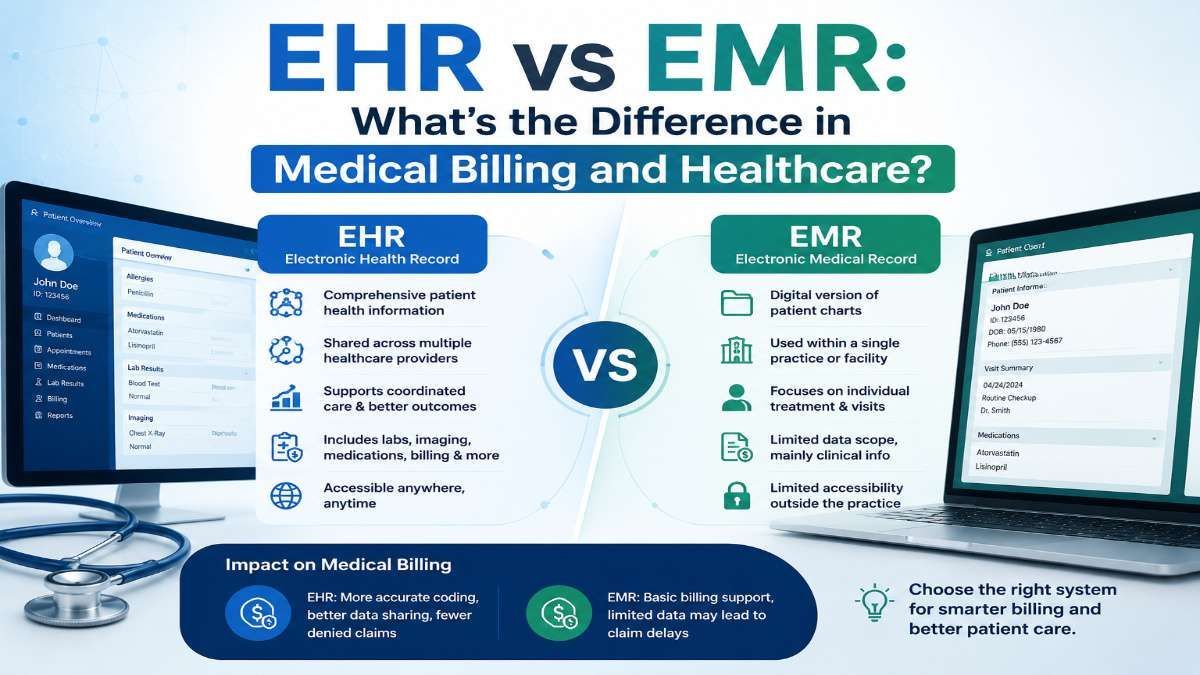
Learn the difference between EHR vs EMR, how electronic medical records impact medical billing, and why accurate documentation matters for healthcare providers.
Medical Coding Automation Tools
May 7, 2026
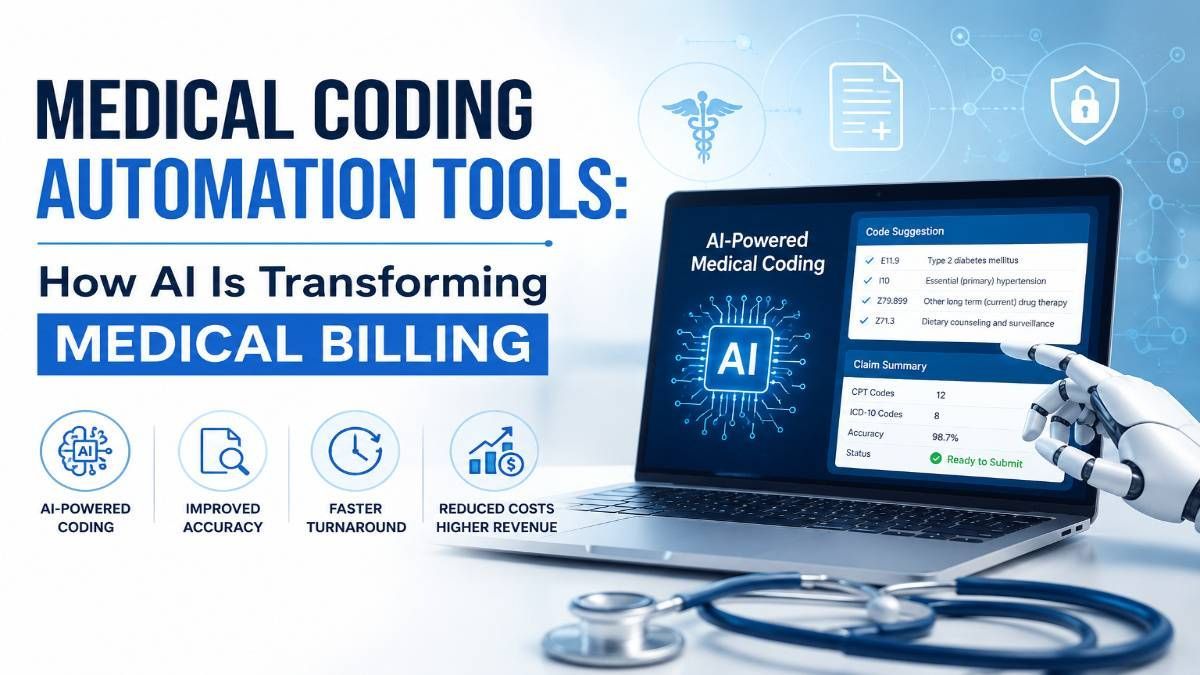
Learn how medical coding automation tools improve accuracy, reduce claim denials, and streamline revenue cycle management for healthcare providers.
By 65oui8jazfl8fvhx April 7, 2026
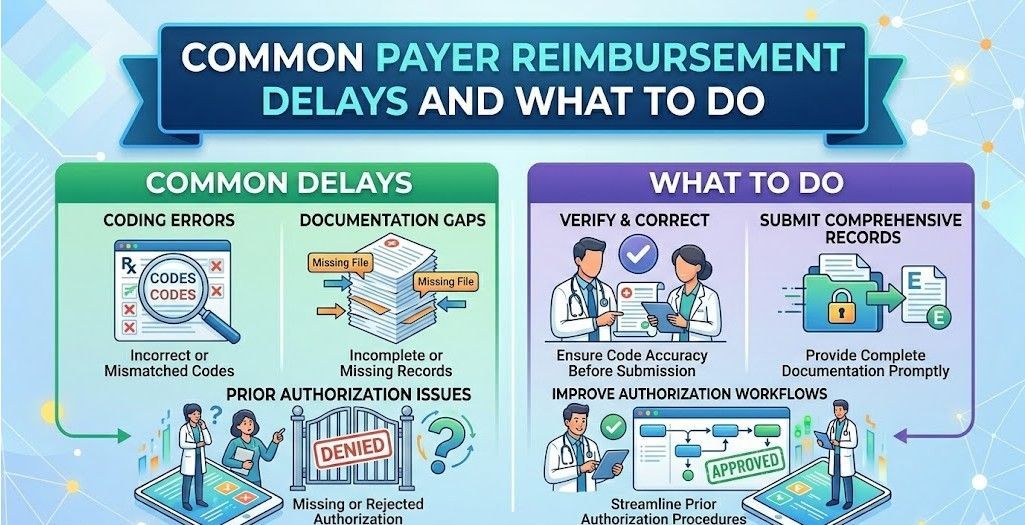
Delayed insurance payments are one of the most common reasons medical practices experience cash flow stress. Even when claims are submitted correctly, reimbursement can stall for weeks or months due to payer processing issues, credentialing gaps, or administrative errors. Understanding why reimbursement delays happen and how to respond proactively helps practices reduce aging accounts receivable and maintain financial stability. Why Payer Reimbursement Delays Hurt Practice Revenue Reimbursement delays affect more than just cash flow. They increase administrative workload, slow down growth, and often lead to missed appeal deadlines. Common consequences include: Rising accounts receivable over 60 and 90 days Staff time wasted on payer follow ups Difficulty forecasting monthly revenue Increased risk of claim write offs Most delays are preventable once their root cause is identified. Common Causes of Payer Reimbursement Delays Identifying the source of delay is the first step toward faster payment. Incomplete or Incorrect Claim Information Missing demographics, incorrect policy numbers, or coding inconsistencies can place claims into manual review queues. These claims often remain unpaid until corrections are made. Credentialing and Enrollment Issues If a provider is not properly credentialed or enrolled with the payer, claims may be held or denied. Even small enrollment mismatches can result in payment delays. Prior Authorization Problems Claims submitted without valid prior authorization often require additional review. Some payers delay payment even when authorization exists but is not linked correctly. Coordination of Benefits Conflicts When patients have multiple insurance plans, payers may delay processing until coverage order is confirmed. COB issues frequently cause payment stagnation. Payer Backlogs and Policy Changes Payers may experience internal backlogs or change coverage policies without timely notification. These delays affect large volumes of claims simultaneously. How to Identify Reimbursement Delays Early Early detection prevents claims from aging unnecessarily. Monitor Aging Reports Weekly Review claims approaching 30 and 45 days. Early intervention reduces the risk of extended delays. Track Payer Specific Patterns If one payer consistently delays payments, there may be systemic issues related to credentialing, documentation, or submission format. Flag Claims Pending Medical Review Claims in medical review status should be monitored closely and followed up on regularly. What to Do When Payer Payments Are Delayed A structured response helps recover revenue faster. Verify Claim Acceptance Confirm that the payer accepted the claim and did not reject it at the clearinghouse level. Check Provider Credentialing Status Ensure the rendering and billing providers are fully credentialed and enrolled with the payer. Credentialing gaps are one of the most overlooked causes of delayed reimbursement. Contact the Payer Strategically Follow payer specific timelines for follow up. Document reference numbers, call dates, and outcomes for every interaction. Submit Supporting Documentation Promptly If the payer requests additional records, submit them immediately to avoid further delay. Escalate When Necessary Claims that exceed payer processing timelines should be escalated through formal inquiries or appeals. Preventing Future Reimbursement Delays Prevention reduces dependency on follow ups and appeals. Verify patient eligibility and coverage at every visit Maintain up to date provider credentialing records Track authorization requirements by payer Submit clean claims with complete documentation Audit denial and delay trends monthly Proactive workflows improve reimbursement speed and reduce operational strain. FAQs on Payer Reimbursement Delays How long should payer reimbursement normally take? Most payers process clean claims within 15 to 30 days. Claims exceeding this range require follow up. Can credentialing issues delay payment even if the claim is accepted? Yes. Claims may be accepted but placed on hold until credentialing or enrollment is resolved. Should delayed claims be appealed? Appeals are appropriate when payer processing timelines are exceeded or when delays turn into denials. How often should billing teams follow up on delayed claims? Follow up every 15 to 20 days, depending on payer guidelines. Do payer delays impact patient billing? Yes. Delays can affect patient statements and increase confusion around balances. Valley Medical Billing Support for Faster Reimbursement Reducing reimbursement delays requires strong billing workflows and accurate provider enrollment. Valley Medical Billing helps practices identify payer bottlenecks, resolve credentialing issues, and streamline follow up processes. If provider enrollment or payer participation is slowing down your payments, our team works closely with practices seeking reliable Medical Credentialing Services Near Me to ensure providers are properly enrolled and claims are reimbursed without unnecessary delays.
By 65oui8jazfl8fvhx April 7, 2026
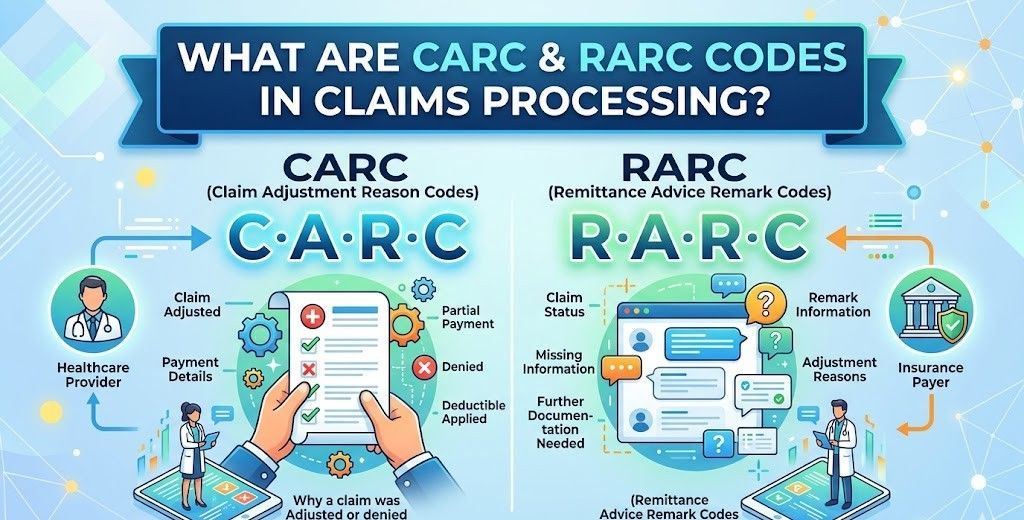
Unclear denial messages are one of the most frustrating issues in medical billing. When a claim is denied without a clear explanation, billing teams waste time guessing, resubmitting incorrectly, or delaying follow up. This confusion often leads to lost revenue. CARC and R ARC codes exist to solve this problem. Understanding these codes allows practices to identify denial reasons quickly and take the right corrective action the first time. Understanding CARC Codes in Medical Billing CARC stands for Claim Adjustment Reason Code. These codes explain why a claim or service line was reduced, adjusted, or denied by the payer. Every remittance advice includes at least one CARC code when payment is not made in full. What CARC Codes Indicate CARC codes typically point to issues such as: • Missing or incorrect patient information • Coverage or eligibility problems • Coding or modifier errors • Authorization or referral issues • Timely filing limits • Duplicate billing Because CARC codes directly affect payment, they are the starting point for denial analysis. Common CARC Code Examples Some frequently seen CARC codes include: • CARC 16 for missing or incomplete information • CARC 18 for duplicate claim or service • CARC 50 for non covered services • CARC 197 for missing prior authorization Each code highlights what triggered the adjustment so billers know where to investigate. Understanding RARC Codes for Denial Clarification RARC stands for Remittance Advice Remark Code. These codes provide additional details that explain or expand on the CARC code. If CARC codes explain the reason for the denial, RARC codes explain what needs to be fixed. What RARC Codes Tell You RARC codes may indicate: • Which documentation is missing • Where to submit additional information • Why a policy requirement was not met • Which payer rule applies to the claim RARC codes guide billers toward the correct correction instead of guessing. Common RARC Code Examples Examples include: • N290 for missing referral or authorization number • M124 for missing clinical or operative notes • N130 instructing review of payer policy • N780 for missing or invalid provider taxonomy Together, CARC and RARC codes give a complete explanation for claim adjustment. Why CARC and RARC Codes Matter in Claims Processing Practices that understand these codes resolve denials faster and reduce rework. Clear interpretation leads to: 1. Faster identification of denial root causes 2. More accurate claim corrections 3. Fewer repeated denials 4. Improved cash flow 5. Reduced staff frustration Ignoring or misunderstanding these codes often results in avoidable write offs. Common Mistakes When Handling CARC and RARC Codes Many billing teams struggle with denial resolution due to: • Correcting the wrong issue • Resubmitting claims without reviewing RARC details • Missing appeal deadlines • Failing to track recurring denial patterns These mistakes slow down reimbursement and create unnecessary backlogs. Best Practices for Responding to CARC and RARC Codes Following a structured approach improves denial outcomes. Review Both Codes Together Always analyze the CARC and RARC codes as a pair. One explains the denial, the other explains the fix. Validate Against Payer Policy Confirm the denial is valid. Some denials occur due to outdated eligibility or payer system errors. Correct and Resubmit Promptly Timely filing rules still apply after denial. Fast action prevents permanent revenue loss. Track Denial Trends Recurring codes usually point to workflow issues such as registration errors or coding gaps. Train Billing Staff Regularly CARC and RARC codes are updated quarterly. Regular training keeps teams compliant and efficient. FAQs About CARC and RARC Codes Are CARC and RARC codes standardized across payers? Yes, most are standardized, but some payers include additional proprietary remark codes. Can a claim have multiple CARC or RARC codes? Yes, a single claim can include multiple codes depending on the issues identified. Are CARC and RARC codes appealable? Yes, if documentation supports the claim, denials associated with these codes can be appealed. How often are CARC and RARC codes updated? They are updated quarterly, and billing teams should review updates regularly. What happens if RARC codes are ignored? Ignoring RARC codes often leads to repeated denials because the underlying issue was never corrected. Valley Medical Billing Support for Denial Management Accurately interpreting CARC and RARC codes is essential for protecting revenue. If your practice is struggling with denial resolution, working with experienced professionals can make a measurable difference. Valley Medical Billing collaborates with trusted Medical Billing Companies Nevada to help practices improve claims processing, reduce denials, and recover revenue faster through structured denial management and payer follow up.
By 65oui8jazfl8fvhx September 9, 2025
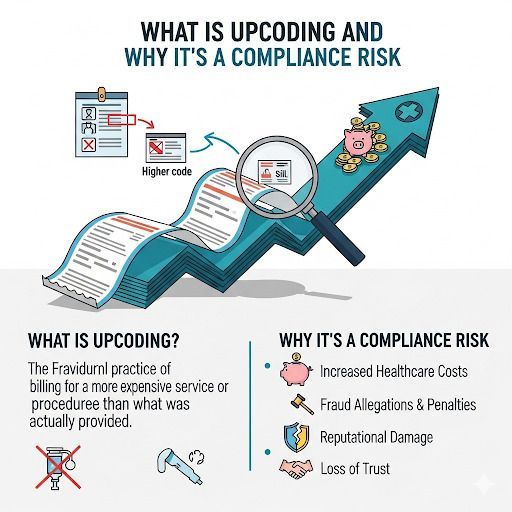
In the world of medical billing, accuracy is everything. One of the most serious issues practices face is upcoding—the act of billing for a higher-level service than what was actually provided. While sometimes intentional, upcoding often happens by mistake, leaving providers exposed to audits, penalties, and even fraud allegations. For healthcare practices, understanding what upcoding is and how to prevent it is critical to maintaining compliance and financial stability. What Is Upcoding in Medical Billing? Upcoding occurs when a provider bills insurance for a service at a higher reimbursement rate than what was delivered. This usually happens by: • Assigning a more complex CPT code than the documentation supports • Submitting claims for services that were more intensive or time-consuming than actually provided • Using modifiers incorrectly to inflate reimbursement Example: A provider bills for a 60-minute patient evaluation (99215) when the visit lasted only 25 minutes (99213). Why Upcoding Is a Serious Compliance Risk Upcoding isn’t just a billing error—it can be viewed as fraud under federal law. The risks include: • Legal exposure: Practices may face lawsuits under the False Claims Act. • Financial penalties: Fines can reach up to three times the overbilled amount. • Loss of reputation: Investigations damage patient trust and payer relationships. • Audit risk: Payers and government agencies closely monitor coding patterns. Even if upcoding is unintentional, regulators may still treat it as fraudulent activity. Common Causes of Unintentional Upcoding Many practices don’t set out to commit fraud. Instead, errors usually happen due to: • Insufficient documentation – Notes don’t match the level of service billed. • Complex coding guidelines – Providers and staff may struggle with evolving CPT/ICD-10 rules. • Over-reliance on EHR templates – Automated code suggestions may default to higher levels of service. • Lack of training – Staff unaware of compliance standards can make mistakes. How to Prevent Upcoding in Your Practice To protect your practice from legal and financial consequences: • Ensure accurate documentation: Providers must record details that justify the billed service. • Invest in staff training: Ongoing coding and compliance education reduces errors. • Perform regular audits: Internal reviews catch mistakes before payers do. • Leverage credentialing support: Working with experts in Medical Credentialing California helps ensure providers are properly authorized and follow payer requirements. • Use compliance software: Tools with claim scrubbing and coding checks minimize risks. Legal Exposure Due to Unintentional Fraud The biggest fear for many practices is being accused of fraud when mistakes were simply unintentional. Upcoding—even when accidental—can trigger costly investigations. By taking proactive steps to ensure compliance, providers reduce their legal exposure while protecting revenue streams. FAQs About Upcoding in Medical Billing 1. What’s the difference between upcoding and unbundling? • Upcoding bills for a higher-level service than provided. • Unbundling splits services that should be billed together. Both are considered compliance risks. 2. Can upcoding happen accidentally? Yes. Many cases occur due to documentation gaps, coding complexity, or EHR errors rather than intentional fraud. 3. Who investigates upcoding cases? Medicare, Medicaid, private insurers, and the Office of Inspector General (OIG) may all audit claims for upcoding. 4. How can practices protect themselves from upcoding audits? Conduct regular internal audits, train staff on coding accuracy, and ensure documentation fully supports billed services. Final Thoughts Upcoding may seem like a small error, but its consequences are significant. Whether accidental or intentional, it exposes providers to legal, financial, and reputational risks. By prioritizing accurate documentation, regular compliance checks, and proper credentialing, practices can protect themselves and build long-term trust with payers and patients alike.
Medical Billing Services in Arizona
By 65oui8jazfl8fvhx September 6, 2025
Choosing professional Medical Billing Services in Arizona offers healthcare providers numerous advantages. Whether you're running a small clinic or a larger healthcare facility, in-house billing can be overwhelming and prone to errors.
Medical Billing Companies Internal Medicine
June 13, 2024
For more information on how Valley Medical Billing Services can benefit your internal medicine practice, contact us today. Let us handle your billing needs with professionalism, efficiency, and care.
Modifier Codes in Medical Billing
By 65oui8jazfl8fvhx September 3, 2025
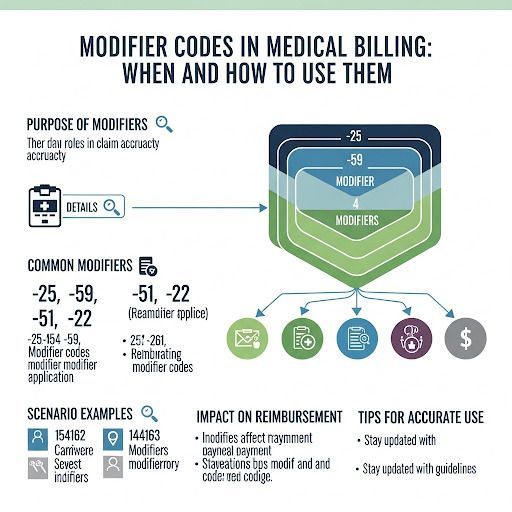
We will explain what modifier codes are, why they matter, and how to use them correctly to ensure smooth claim processing.
Superbill in Medical Billing
By 65oui8jazfl8fvhx August 8, 2025
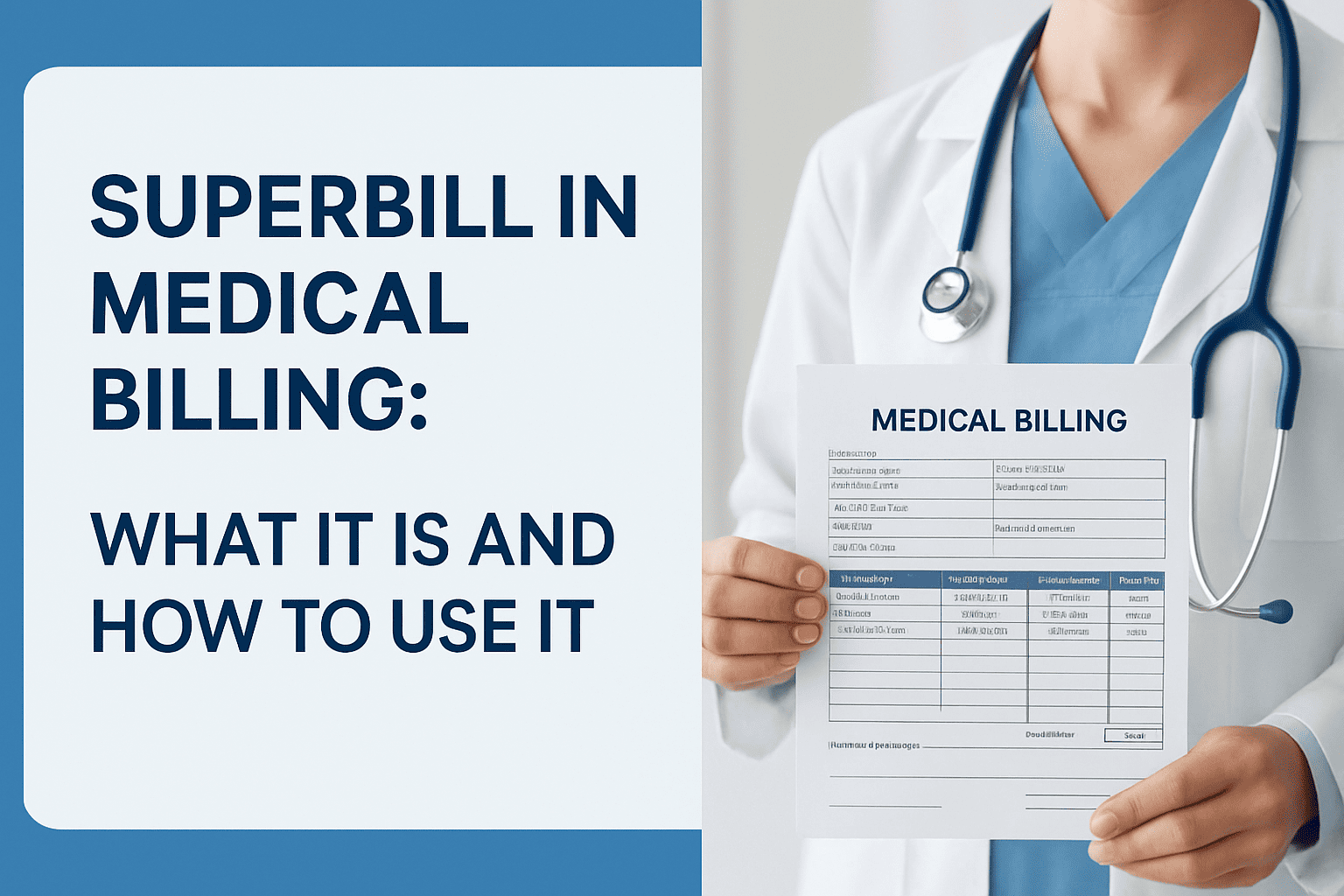
Learn what a superbill is, why it’s essential in medical billing, and how California practices can use it to improve claim accuracy and speed up reimbursements.
By 65oui8jazfl8fvhx August 8, 2025
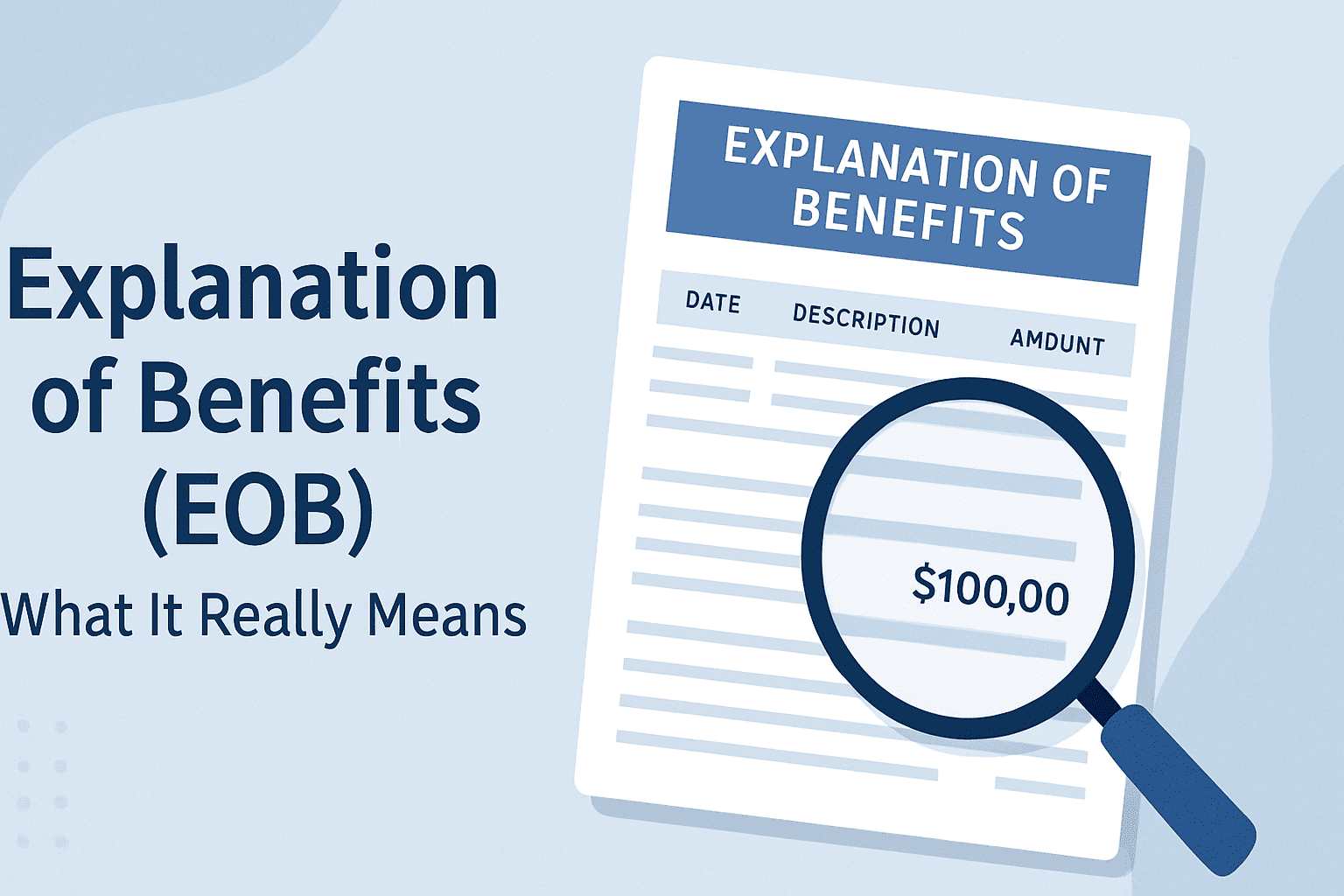
Introduction: Why EOBs Confuse So Many Patients  If you’ve ever opened a letter from your insurance company after a doctor’s visit and thought, “Wait, I still have to pay this?”, you’re not alone. This document — called an Explanation of Benefits (EOB) — is one of the most misunderstood parts of the medical billing process. In this guide, we’ll break down what an EOB really means, why it matters, and how small practices can use this tool to improve transparency with patients. What Is an Explanation of Benefits (EOB)? An EOB is a statement sent by your health insurance provider after a healthcare service is processed. It is not a bill — it’s an informational summary showing: The services performed What your provider charged What your insurance covered Any amount you may owe to the provider Key Parts of an EOB While EOB layouts vary by insurance company, most include the following sections: Section What It Tells You Patient Information Name, date of service, and provider details Services Provided CPT or ICD-10 codes, procedure descriptions Amount Billed The provider’s original charge Allowed Amount The negotiated rate insurance will pay Insurance Payment How much your plan covered Patient Responsibility Your copay, coinsurance, or deductible Remarks/Notes Additional clarifications or denial reasons Common Reasons Patients Misunderstand EOBs Patients often confuse an EOB with a bill because: The layout looks like an invoice — with numbers in bold. Insurance language can be full of abbreviations and codes . It lists an “Amount You Owe” without explaining payment instructions. For small practices, unclear EOB explanations can lead to: More billing-related phone calls Delayed payments from patients Frustration that affects patient satisfaction How Small Practices Can Help Patients Read EOBs Clear communication about EOBs can improve collections and trust. Best practices include: Providing a quick reference guide for reading EOBs Highlighting “This is not a bill” in patient communications Offering billing consultations for high-cost services Using patient portals to link EOBs with billing records (Related: Medical Billing for Small Practices) EOB vs. Medical Bill — The Key Difference EOB Medical Bill Sent by insurance company Sent by provider or billing company Explains what insurance covered Requests payment from the patient Includes codes & claim details Lists actual amount due No payment action required Payment action required Why EOB Accuracy Matters A mistake on an EOB can lead to incorrect patient balances or claim denials. Practices should: Verify CPT & ICD-10 codes before claims submission Follow up on discrepancies immediately with insurers Keep documentation of all communications for appeals Final Takeaway An Explanation of Benefits is a valuable tool for both patients and providers — if it’s understood correctly. By helping patients interpret their EOBs, small practices can reduce confusion, speed up payments, and improve overall satisfaction. If your practice struggles with billing transparency or wants to improve patient payment timelines, outsourcing medical billing can streamline the process and ensure EOB accuracy from the start.